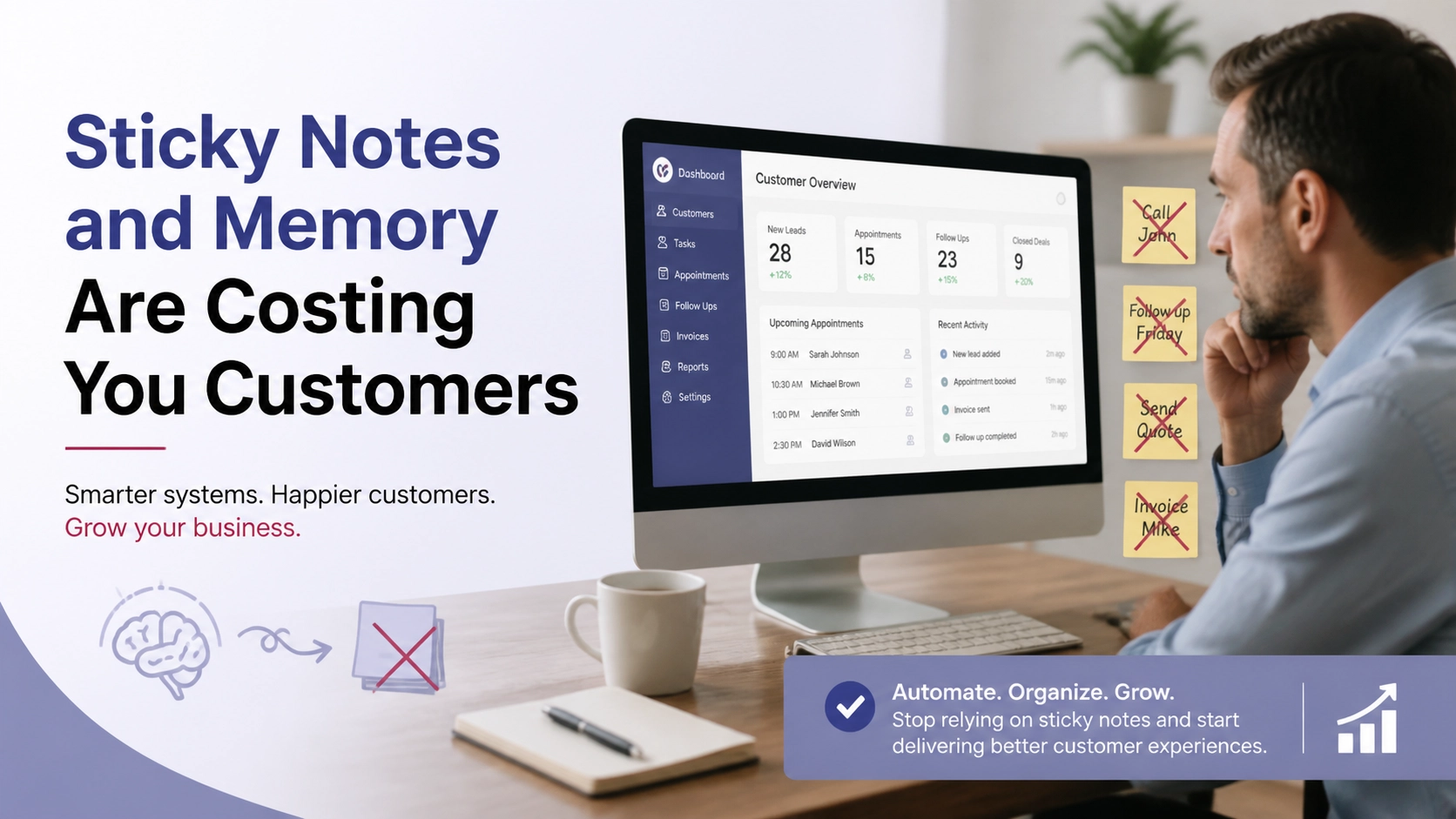


Your competitor isn't better than you. They're just more persistent.
Research from the National Sales Executive Association shows 80% of sales require at least 5 touchpoints before closing. The same research shows 44% of salespeople give up after one attempt. That gap, between what customers need to feel confident and what businesses actually deliver, is where your competitor wins customers that should have been yours.
This isn't a motivation problem. It's a systems problem. And systems are fixable.
The Follow-Up Gap
When a new lead comes in, most local business owners have one of three responses: they call immediately (good), they call once and leave a voicemail (fine), or they mean to follow up and don't get to it (common). The lead goes cold. The business owner moves on. And six days later, that same customer books with someone else.
The data on this is uncomfortable. According to Salesforce research, 50% of buyers choose the vendor that responds first. First response matters, yes. But sustained contact matters just as much. A prospect who doesn't buy after your first follow-up isn't lost. They're waiting. They have questions, concerns, competing priorities, or they're simply not ready yet. The business that keeps showing up in a helpful, low-pressure way is usually the one that earns the sale when the timing clicks.
Your competitors who do this consistently don't have more discipline than you. They have automation doing the work.

Why Follow-Up Falls Apart
Business owners don't skip follow-up because they don't care. They skip it because:
- They're busy. Following up on last week's lead when today has its own crises feels like a luxury.
- They forget. Without a trigger or a system, follow-up depends entirely on memory. Memory loses.
- It feels pushy. Nobody wants to be the person who nags a potential customer. So they don't reach out at all.
- There's no sequence. They know they should follow up but have no script, no timing, no plan for what to say.
All four of these problems dissolve when you build a system once and let it run. Automated follow-up doesn't feel pushy when it's genuinely helpful. It doesn't require memory. And it costs you nothing per send once it's set up.
What Automated Follow-Up Actually Looks Like
Here's a simple, functional sequence for a new lead:
Day 0: Immediate response
A lead fills out your contact form or books through your site. Within 2 minutes, they get an automated reply: "Thanks, [First Name]. We received your message and someone will be in touch shortly. In the meantime, here's what to expect when working with us: [link to your process page or FAQ]."
This alone separates you from most businesses in your area.
Day 2: Helpful email
Not a sales pitch. A useful piece of content related to what they inquired about. If they asked about roofing, send them "5 questions to ask any roofer before signing a contract." If they asked about bookkeeping, send them a checklist. You're positioning yourself as the expert, not the pushy salesperson.
Day 5: Text follow-up
Short and conversational. "Hey [First Name], just checking in. Did you get a chance to look over the info we sent? Happy to answer any questions, [Your Name] from [Business Name]." Text open rates average 98%. This message gets read.
Day 14: Offer
Now you've earned it. A clear, low-friction offer: a free consultation, a limited discount, a free audit. Something that makes it easy for them to take the next step. Pair it with a direct booking link.
That's 4 touchpoints across 14 days, mostly automated, and the lead has received genuine value before you've asked for anything.
Templates That Feel Personal Without Being Manual
The concern with automation is that it sounds robotic. It doesn't have to. A few rules make automated messages read like they came from a human:
Use first names. Every platform that supports sequences can pull a contact's first name into the message. Use it.
Write at a conversational level. Read your templates out loud. If they sound like a press release, rewrite them.
Reference the specific service or inquiry. "You reached out about [Service]" is more personal than a generic "we received your inquiry."
Keep it short. Especially texts. Under 160 characters where possible. Emails under 150 words for follow-up messages.
One ask per message. Don't pack three calls to action into one email. Pick one.
The goal is for the reader to feel like you remembered them and followed up personally. With a well-built sequence, you didn't have to.
Three Sequences Every Local Business Needs
1. New Lead Nurture
Purpose: Convert inquiries into booked appointments or purchases.
Sequence outline:
- Day 0: Immediate acknowledgment (automated email)
- Day 1: Personal call or email from owner/team (manual touchpoint)
- Day 2: Helpful content email (automated)
- Day 5: Check-in text (automated)
- Day 10: Value-add email (case study, testimonial, FAQ)
- Day 14: Offer with clear CTA (automated)
This 6-touchpoint sequence covers the full 5+ contact range that the data says you need, and only one of those touchpoints requires your direct time.
2. Post-Service Check-In
Purpose: Generate reviews, referrals, and repeat business from people who already trust you.
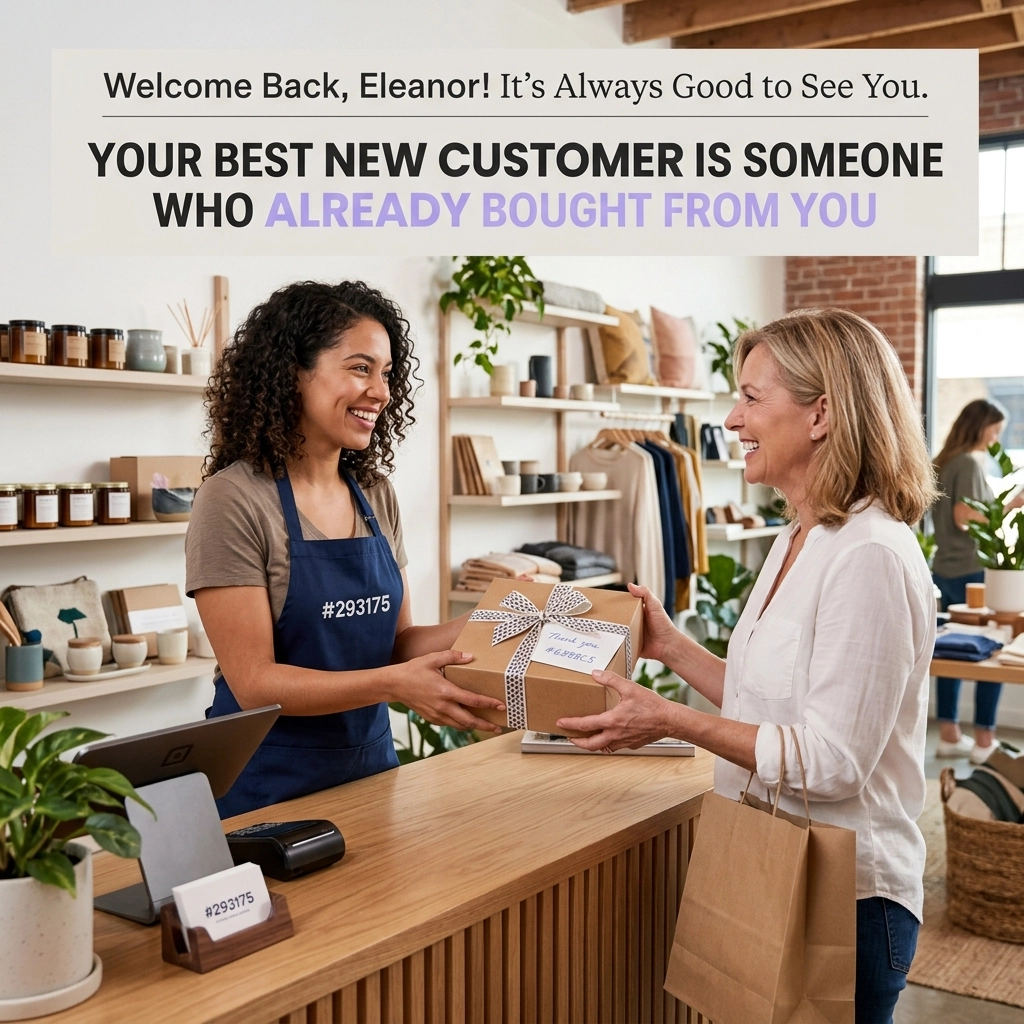
Your existing customers are your best asset. Most businesses leave them completely alone after the transaction closes, which means they don't get reviews, they don't refer friends, and they quietly drift to competitors when the next need comes up.
Sequence outline:
- Day 1 after service: "Hope everything went well" email. No ask yet.
- Day 4: Review request. "If you were happy with the work, we'd really appreciate a Google review. Here's the link: [link]." Keep it direct and easy.
- Day 30: Check-in email. "Is everything still working well? We're here if you need anything."
- Day 90: Value email. Seasonal tip, relevant reminder, or helpful resource related to your service.
For more on why your customer base is your strongest growth lever, read Your Best New Customer.
3. Lapsed Customer Reactivation
Purpose: Win back customers who haven't returned in 6 to 12 months.
These contacts already trusted you once. They don't need to be convinced you're legitimate. They need a reason to come back and a reminder that you exist.
Sequence outline:
- Email 1: "We miss you" message with a genuine, personal tone. Reference their last service or purchase if your CRM tracks it. "It's been a while since we helped you with [X]. We wanted to check in."
- Email 2 (5 days later): Value-add with a soft offer. A helpful tip plus a modest incentive for returning.
- Email 3 (10 days later): Clear offer with expiry. Creates urgency without being obnoxious.
One DIYB client running a home services business added $4,200 in revenue in 60 days by reactivating 18 lapsed customers with a 3-email sequence. None of those customers required a sales call.
For a deeper look at how customer retention and simple systems work together, see Sticky Notes.
Setting Up the System
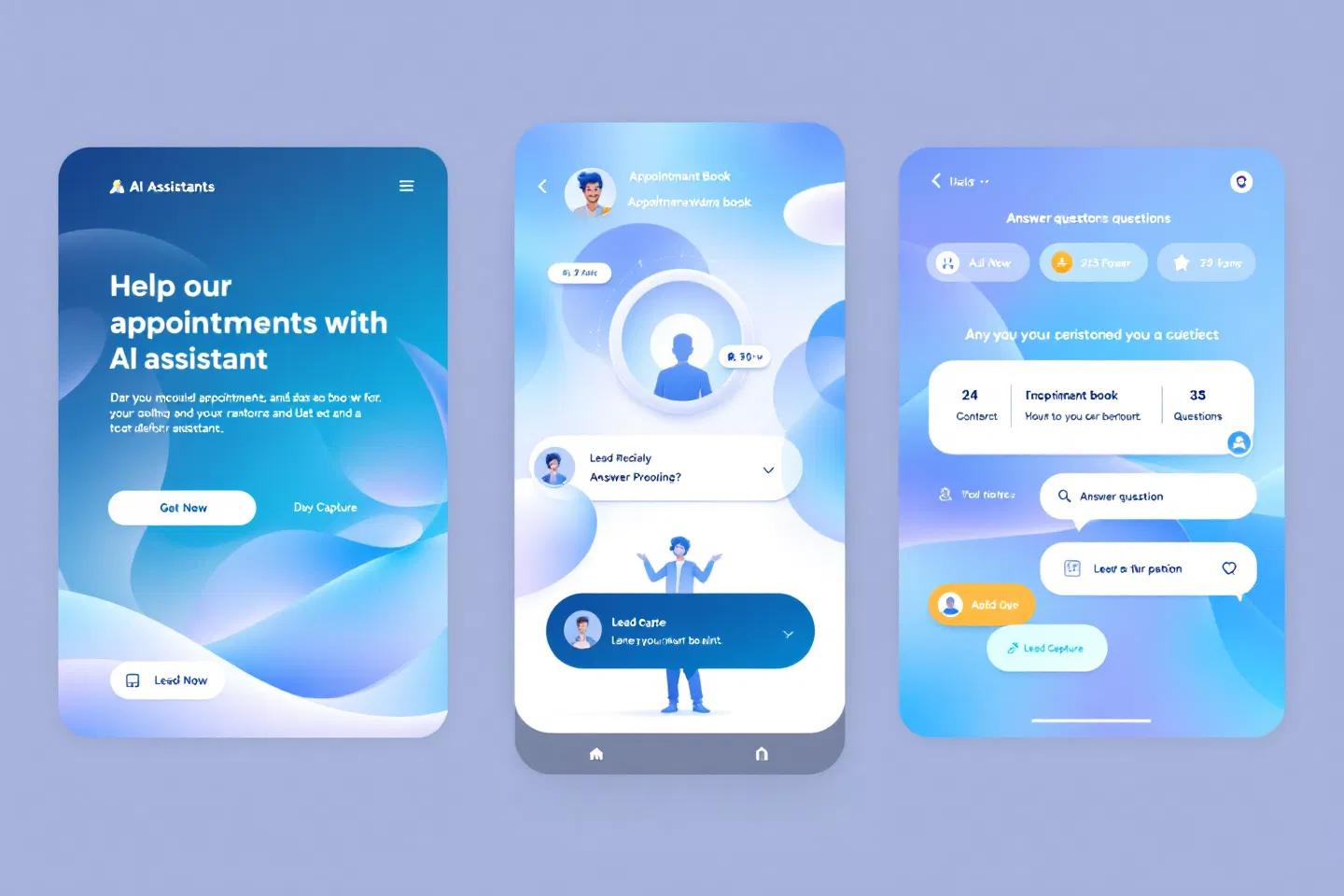
You don't need enterprise software. You need two things: a CRM that captures contacts and a platform that sends automated emails and texts based on triggers.
The CRM: This is where contacts live. GoHighLevel, HubSpot (free tier), Zoho, or even a well-organized spreadsheet connected to an email tool can work. The CRM should capture the lead's name, contact info, what they inquired about, and when. That's the foundation.
The automation platform: Email tools like Mailchimp, ActiveCampaign, or Klaviyo handle automated email sequences. SMS automation runs through platforms like SimpleTexting, Twilio, or an all-in-one tool like GoHighLevel. The best setup for most local businesses is a single platform that handles both email and SMS, so your sequences stay coordinated.
The trigger: Every sequence starts with a trigger event. Form submission. Purchase completion. No activity for 90 days. When the trigger fires, the sequence starts. No memory required.
The audit: Build your sequences once, then review them quarterly. Check open rates, reply rates, and conversion. Adjust subject lines, timing, and offers based on what the numbers show.
Setup takes a few hours. Once it runs, it runs indefinitely.

Your Competitor Is Already Doing This
The businesses taking leads from you aren't working harder. They responded faster, followed up longer, and made it easy for the customer to say yes. That's a system advantage, and it's available to any business willing to build it.
You don't need a big team. You don't need a marketing agency. You need a sequence, a trigger, and about an afternoon to put it together.
The customers you lost to a competitor last month weren't gone. They were just waiting for a follow-up that never came.
Build the system. Send the follow-up. Close the gap.
Start With a Free Follow-Up Audit
Paul Hughes works with small and medium businesses to build automated follow-up systems that convert more leads, retain more customers, and run without adding to your workload. If you're losing leads to competitors because your follow-up is inconsistent or nonexistent, book a free audit at https://blog.diyb.ca/contact-diyb and we'll map out exactly what your sequences should look like.